
Uncover the essential benefits of protein and determine the right amount your body needs to thrive.

Understanding Protein: The Building Block of Life
Proteins are fundamental components of all living cells and include many substances, such as enzymes, hormones, and antibodies, that are necessary for the proper functioning of an organism. They are composed of amino acids that join together to form long chains, providing structure to cells and helping to carry out biological processes. Protein's role in the body is multifaceted, including repairing and building your body's tissues, allowing metabolic reactions to take place, and coordinating bodily functions.
In addition to these critical roles, proteins also provide energy, maintain proper pH, and regulate body processes. The importance of protein cannot be overstated, as it's literally involved in almost every aspect of our body's function, making it a crucial component of a healthy diet.
Determining Your Protein Needs: Factors That Influence Intake
The amount of protein you need can vary widely based on several factors such as age, sex, weight, and level of physical activity. Generally, the Recommended Dietary Allowance (RDA) for protein for an average adult is 0.8 grams per kilogram of body weight per day. Athletes or those with heavy physical jobs may require more protein to repair muscles and support recovery, while older adults might need more protein to counteract age-related muscle loss.
Other factors include health status and specific goals like weight loss or muscle building. It's also important to consider that protein needs can be higher during periods of growth, recovery from illness, or during pregnancy and breastfeeding. Consulting with a healthcare provider or a dietitian can help tailor protein intake to your individual needs.
The Impact of Protein on Muscle Growth and Repair
Protein is essential for muscle growth and repair, which is why it's a favorite nutrient among athletes and bodybuilders. After exercising, your muscles are primed to absorb protein to start repairing the micro-tears that occur during a workout. This process is what leads to muscle growth. Consuming adequate amounts of protein after exercise can help speed up this recovery process, allowing for more effective muscle building and regeneration.
Moreover, even for non-athletes, protein is important to maintain muscle mass and function. It's a key factor in preventing sarcopenia, the age-related loss of muscle mass, which can help preserve strength and mobility as we age. Adequate protein intake paired with resistance training can be a powerful combination for maintaining muscular health.
If you're recovering from an injury, protein intake becomes even more critical — see our post on overcoming injuries and returning to your fitness goals for how nutrition fits into the bigger picture.
Protein Sources: A Guide to High-Quality Options
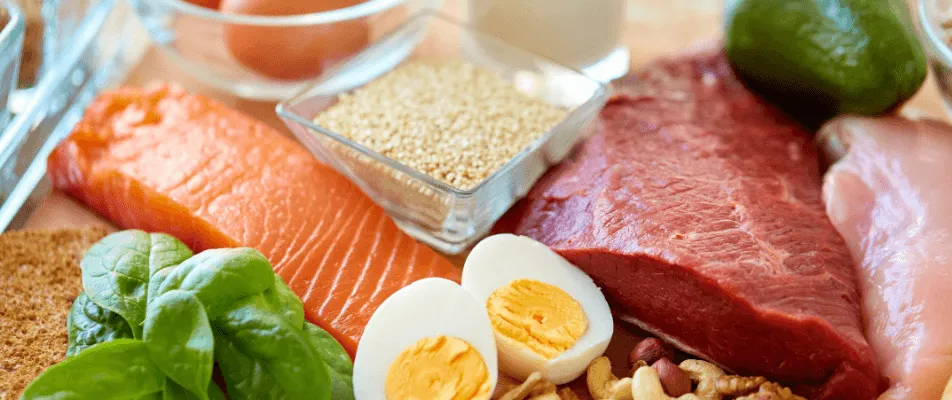
Protein can be found in a variety of food sources, both animal and plant-based. High-quality animal protein sources include meats like chicken, turkey, and lean beef, as well as fish, eggs, and dairy products. These sources contain all the essential amino acids your body needs. However, it's important to choose lean options and prepare them in healthy ways to avoid excess saturated fat and calories.
For those following a vegetarian or vegan diet, plant-based proteins such as legumes, nuts, seeds, tofu, and tempeh are excellent options. Although most plant proteins are considered 'incomplete' because they lack one or more essential amino acids, eating a varied diet typically provides all the amino acids required for health. Quinoa and soy are notable exceptions, as they contain all essential amino acids and are considered complete proteins.
Balancing Protein Intake: Avoiding Common Pitfalls
While protein is essential, it's also important not to overconsume it. Excessive protein intake can lead to digestive issues, kidney strain, and can displace other essential nutrients from your diet. Balance is key, ensuring that your diet includes a variety of nutrients, including carbohydrates and fats, which are also important for health. Additionally, relying too heavily on processed protein sources or supplements can lead to an intake of unwanted additives and excessive calories.
It's also vital to consider the timing of protein intake. Spreading protein consumption throughout the day can help maintain muscle mass and support overall metabolism. This balanced approach to protein intake can help avoid the common pitfalls of either consuming too much or too little protein, ensuring your body reaps its full benefits.
For a complete picture of recovery nutrition beyond just protein, see our guide on nutrition, sleep, and hydration for recovery.
Protein is just one piece of the puzzle. For a broader approach to daily health habits, see our post on taking your MEDS — the four pillars of mindfulness, exercise, diet, and sleep.
