
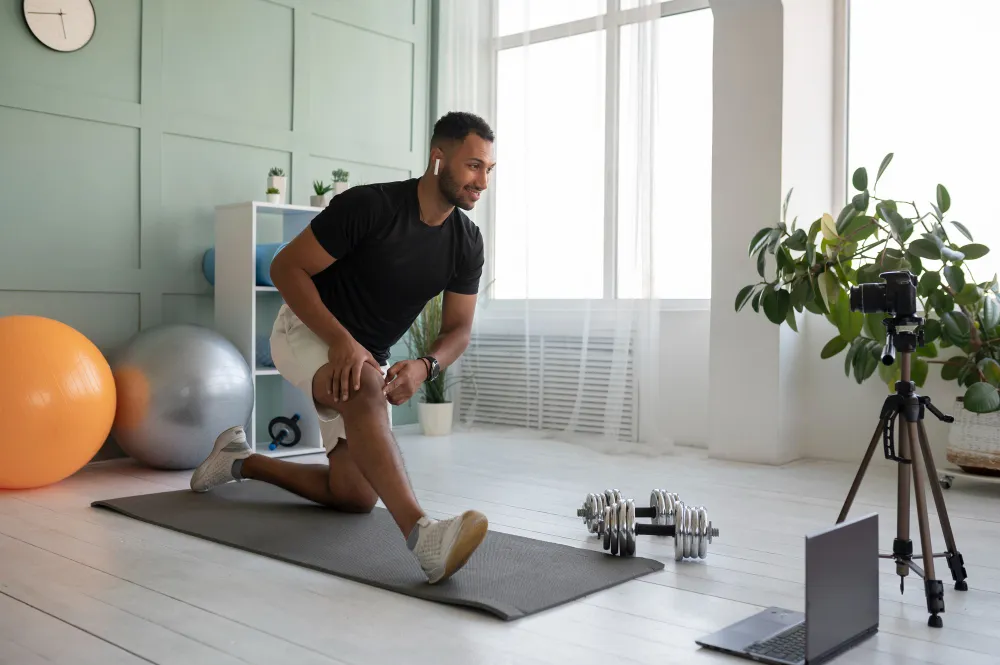
Did you know that athletes suffering from Jumper's Knee, also known as patellar tendinopathy, can experience a decline in their performance if not treated properly? This common injury can significantly impact an athlete's ability to train and compete in their chosen sport. As a performance-minded clinician, we understand the underlying causes of Jumper's Knee and the most effective rehabilitation strategies. In this comprehensive guide, we will explore the symptoms, treatments, and preventive measures for Jumper's Knee, ensuring you can get back to doing what you love with strength and confidence.
Understanding Jumper's Knee
Jumper's Knee, or patellar tendinopathy, is a condition affecting athletes who participate in sports that involve repeated jumping, like basketball, volleyball, and soccer. The patellar tendon, which connects the quad muscle to the shinbone, becomes inflamed or degenerative due to overuse. This injury can result in pain, stiffness, and decreased performance.
Runners may also develop similar anterior knee pain — see our guide on runner's knee and its causes for a comparison of these common knee conditions.
Symptoms of Jumper's Knee
The symptoms are crucial for identifying Jumper's Knee:
- Pain: This is usually felt just below the kneecap and may worsen with activity.
- Stiffness: A feeling of tightness or stiffness in the knee, especially after sitting for prolonged periods.
- Swelling: The area around the patellar tendon may swell or feel tender.
- Weakness: Reduced strength in the quadriceps can occur as the body attempts to compensate for the pain.
Understanding these symptoms helps athletes to seek treatment early and avoid further damage.
Causes and Risk Factors
Several factors contribute to the development of Jumper's Knee:
- Overtraining: Excessive training without adequate rest can lead to wear and tear on the tendon.
- Biomechanics: Poor jumping techniques or improper landing can create stress on the patellar tendon.
- Weak Musculature: Insufficient strength in the quadriceps, hamstrings, or glutes can contribute to improper knee alignment and increased strain on the tendon.
- Inflexibility: Tight muscles or restricted mobility in the hip, knee, or ankle can affect an athlete's ability to absorb impact forces.
Diagnosis
A proper diagnosis of Jumper's Knee typically involves a thorough physical examination and evaluation of symptoms. A healthcare professional may recommend additional imaging tests, such as an MRI or ultrasound, to assess the extent of the injury.
Treatment Options
Successfully treating Jumper's Knee requires a comprehensive approach that incorporates several modalities:
Physical Therapy
A customized physical therapy program is critical in treating Jumper's Knee effectively. Here are some key components:
- Manual Therapy: Hands on treatment to help relieve muscle tension and pain to allow for more tolerance to loading and movement.
- Blood Flow Restriction (BFR) Training: BFR training is particularly effective for tendinopathy, allowing strength gains at low loads to reduce stress on the tendon while promoting tissue adaptation.
- Strengthening Exercises: Focus on strengthening the quadriceps, hamstrings, and hip muscles to provide better support to the knee joint. Common exercises include leg extensions, squats, and hamstring curls.
- Stretching: Incorporating flexibility training helps to ensure the muscles surrounding the knee are not contributing to excessive strain. Dynamic stretching before exercise and static stretching afterward can be beneficial.
- Sport-Specific Drills: Utilize drills that mimic the athlete's sport to regain confidence in their movements.
Preventive Measures
Preventing Jumper's Knee is essential for athletes looking to maintain their performance and longevity in their sport. Here are some strategies:
- Proper Warm-Up: A structured warm-up routine prepares the body for activity and can help to mitigate injury risk.
- Focus on Form: Athletes should prioritize proper jumping and landing techniques. This can significantly reduce the stress placed on the patellar tendon.
- Cross-Training: Engaging in different types of exercises can improve overall fitness and reduce the risk of overuse injuries.
- Listen to Your Body: Athletes should be trained to recognize signs of overuse and fatigue, which will help avoid injury.
Rehabilitation Timeline
A comprehensive recovery and rehabilitation timeline may vary based on the severity of the condition:
- Initial Phase (0-2 Weeks): Focus on rest, ice, and pain management. Begin gentle range of motion work as tolerated.
- Strengthening Phase (2-6 Weeks): Begin physical therapy and progressive strengthening exercises.
- Return to Sport (6-12 Weeks): Gradually return to sport with careful monitoring to avoid aggravating the injury.
This timeline is based on normal healing timeframes but can vary widely based on athlete symptoms, commitment to treatment, and lifestyle factors.
For athletes recovering from related knee injuries, the phased approach mirrors ACL recovery protocols — progression should always be guided by objective testing rather than time alone.
Returning to Sport
After addressing Jumper's Knee through a structured rehabilitation program, athletes should implement preventative measures before returning to sports. Gradual escalation of training intensity is crucial. Rushing back can lead to re-injury, so patience and proper progression are key.
Final Thoughts
While Jumper's Knee is a common injury among athletes, understanding the condition, its causes, and effective recovery strategies can empower athletes to regain their strength and performance. If you or someone you know is struggling with Jumper's Knee, it's crucial to seek the right evaluation and treatment early.
In achieving optimal recovery and return to sports, a performance-minded clinician plays a pivotal role in guiding the athlete towards a sustainable pathway. Taking proactive steps can not only aid in rehabilitation but also serve as a preventive measure for the future.
So now what? If you are ready to address your Jumper's Knee and get back to doing what you love, I encourage you to book your free consultation below.
{{cta('186681909606')}}
Remember, the journey to recovery starts with understanding your injury and taking informed steps towards healing. Get back out there and play your game!
